Evoking the Spirit: Indigenous Spirituality and the Call to Inner Freedom, Leadership, and Compassion
A SACRED CONVERGENCE
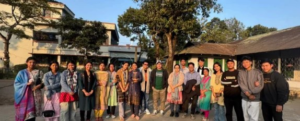
Nestled in the highlands of Baguio, where the mountain air meets the quiet embrace of the earth, the Jesuit Companions on Indigenous Ministry (JCIM) gathered at Mirador Jesuit Villa Retreat House. Over 25 participants, composed of Jesuits, lay companions, and Indigenous leaders from the Cordillera Region and across Asia Pacific, convened in a deeply meaningful and healing encounter.
This was more than a conference—it was a sacred pause, a space to listen, honor stories, and allow the Spirit to move among us, reminding us of the enduring call to freedom, leadership, and compassion.
Guided by the theme “Evoking the Spirit: Indigenous Spirituality and the Call to Inner Freedom, Leadership, and Compassion,” the gathering did not merely bring Ignatian and Indigenous spiritualities into conversation. It intertwined them— like branches of an ancient tree, each growing in its direction but sharing the same deep roots.
Through prayer, storytelling, rituals, and silent walks, participants evoked the Spirit—the presence that heals, unites, and sends forth—deepening their commitment to walk alongside Indigenous communities in faith and solidarity.
JCIM’s MISSION: WALKING WITH INDIGENEOUS COMMUNITIES
The JCIM biennial gathering embodies a shared mission—to accompany Indigenous Peoples with depth, respect, and solidarity. The 2025 conference strengthened this commitment through five primary goals:
- Deepen appreciation for Indigenous spirituality, honoring ancient wisdom and sacred tradition.
- Examine pastoral and theological challenges, engaging in honest dialogue about Indigenous struggles
- Amplify Indigenous youth voices, ensuring their leadership is nurtured and empowered
- Celebrate Indigenous creativity and wisdom, recognizing artistic expression as both spiritual and political resistance
- Strengthen regional collaboration, weaving networks of discernment and action for the road ahead.
SPIRIT IN MOTION: KEY THEMES AND REFLECTION
- Presence and Sacred Dialogue: Listening Beyond Words
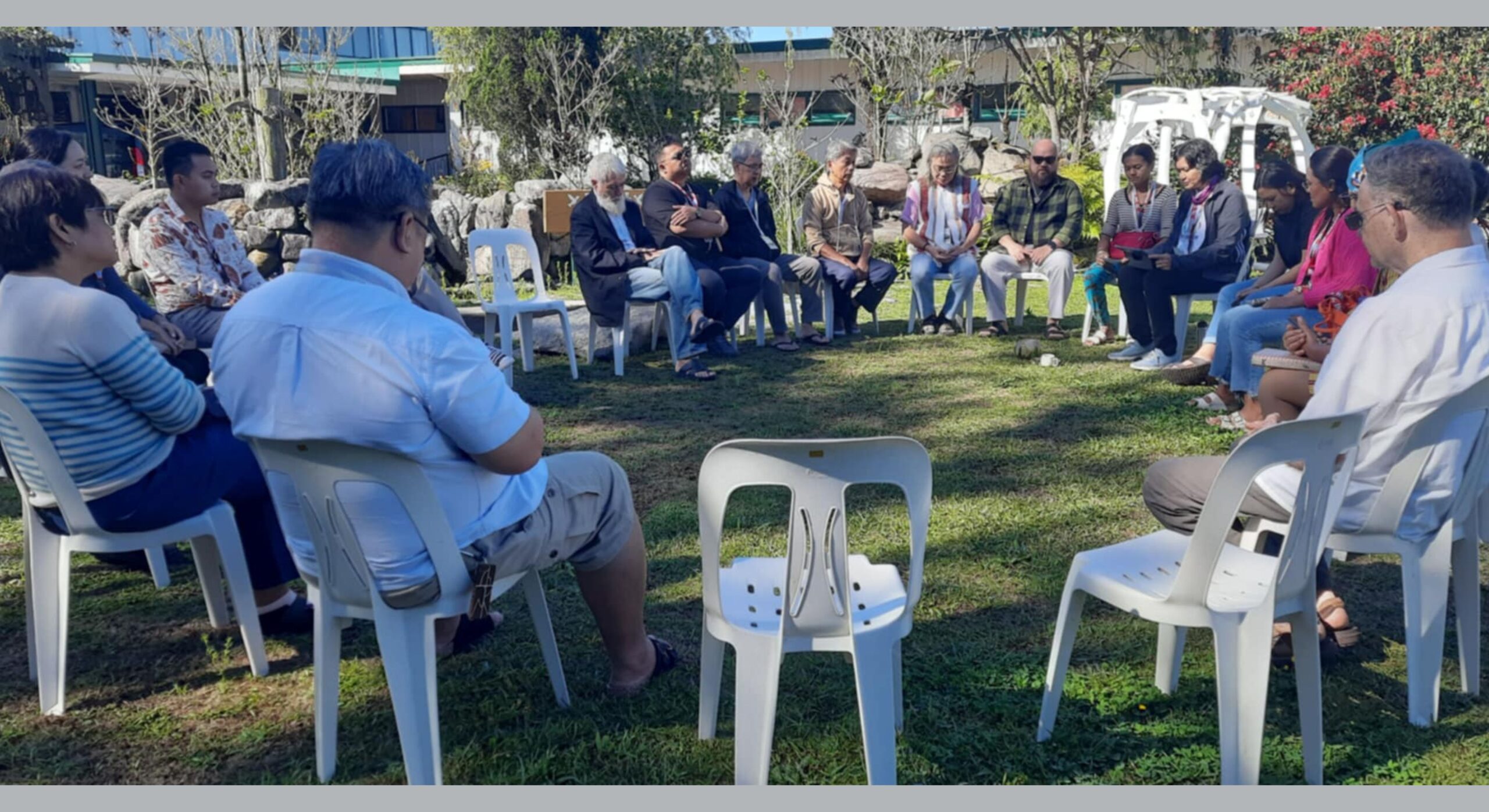
The morning mist lingered over Mirador during our prayers, wrapping the retreat house in quiet reverence. Beneath the ancient trees, companions sat in stillness, the sound of rustling leaves mingling with whispered prayers. It was a sacred pause—a space where conversation softened into listening, where stories did not merely unfold but intertwined.
In Indigenous and Ignatian spirituality alike, presence is more than physical—it is an invitation to encounter. This gathering did not seek conclusions or resolutions; it sought deeper communion.
A Jesuit companion reflected, “We came with questions. But the Spirit has taught us—some truths are heard in silence.”
Between shared words and sacred pauses, the presence of ancestors filled the space—their wisdom carried in the fire’s warmth, the wind’s breath, and the stories passed from heart to heart. What emerged was not merely dialogue but solidarity—a commitment to walk together, not as observers, but as companions.
- Honoring Grief, Embracing the Call
The air was still as voices carried across Mirador—some filled with quiet resolve, others heavy with sorrow. Indigenous leaders spoke of ancestral lands fading, languages slipping from memory, and traditions and values fighting to survive. Their stories did not simply recount history; they embodied it.
In that moment, grief was not a passive emotion—it was a presence. It sat among us, filled the spaces between words, and lingered in the silences that followed. We did not turn away. We listened.
Yet the Spirit moved not to erase suffering, but to transform it. Grief became witness. Mourning became remembrance. And remembrance became resolve.
A Cordilleran elder leaned forward, his voice steady. “Our sorrow is not weakness. It is where our spirituality is strengthened.”
And so, grief did not break us—it bound us together. The weight of loss became the soil where solidarity took root, urging us forward in faith and action. We stepped beyond reflection into responsibility, carrying with us a commitment not only to honor Indigenous grief but to safeguard the wisdom, resilience, and future it holds.
Spirituality, Creativity, and Resistance: The Rhythm of Renewal
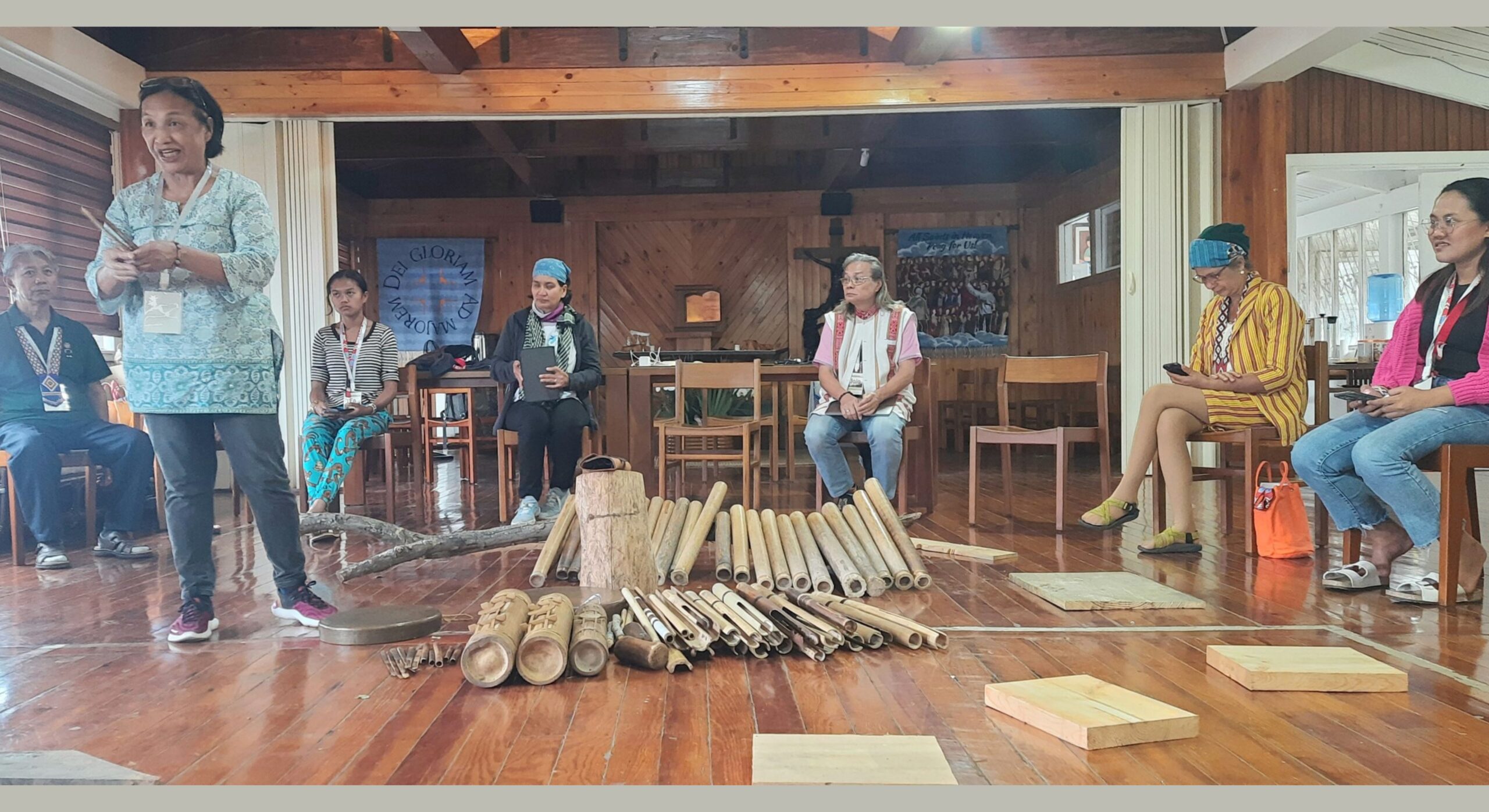
The beat and rhythm were steady, reverberating through the retreat house like a heartbeat—the sound of resilience, of memory, of a people refusing to be silenced. Voices rose in chant, feet moved in rhythm, and within each movement was a story—a prayer, a protest, a promise.
For Indigenous communities, creativity is not merely an expression; it is life and survival. Song is remembrance. Dance is reclamation. Art is resistance. In a world that has tried to erase their traditions, every melody, every movement, becomes a declaration: “We are still here.”
One youth leader stood before the gathering, her voice unwavering. “Our ancestors did not pass down silence. They passed down songs, prayers, stories—we must carry them forward.”
And so, creativity became a bridge—between past and future, between lament and renewal. It carried grief but refused to be weighed down by it. It was more than expression; it was action. Through movement and music, Indigenous wisdom called out—not just to be admired, but to be amplified, protected, and woven into the healing of the world.
The Spirit stirred among us, reminding us that justice and beauty are inseparable—that to walk in solidarity means to safeguard not only Indigenous rights but Indigenous rhythms, melodies, and ways of knowing.
The call is clear: to ensure that what was threatened is reclaimed, what was silenced is heard, and what has endured continues to shape the road ahead.
WALKING FORWARD: COMMITMENTS AND THE ROAD AHEAD
This sacred pause has stirred deep interior movements, inviting us to reflect on our mission, recommit to our calling, and walk forward with renewed purpose. Emerging from this encounter is a shared affirmation of solidarity, formation, youth empowerment, and pastoral renewal—a reaffirmation of our vocation to accompany Indigenous communities with depth and fidelity.
To honor the wisdom of Indigenous traditions, JCIM commits to:
- Deepen solidarity among Jesuits, lay collaborators, and Indigenous leaders
- Integrate Indigenous spirituality more fully into formation and ministry
- Accompany and empower Indigenous youth in leadership and discernment
- Recognize Indigenous wisdom as essential to pastoral and ecological renewal
- Reaffirm Indigenous ministry as central to the Church’s mission.
Yet, commitment alone is not enough. The Spirit calls us beyond reflection—to action, urging us to transform our resolutions into tangible steps that nurture leadership, safeguard traditions, and strengthen collaboration.
As we return to our communities, we embrace the path forward, committing to:
- Embed Indigenous spiritual practices into Jesuit formation and pastoral programs
- Cultivate youth leadership pathways grounded in Indigenous identity and Ignatian discernment
- Strengthen regional networks for cross-border Indigenous ministry and collaboration
- Advocate boldly for the protection of Indigenous lands, languages, and wisdom traditions
- Embody interior freedom and compassionate leadership in all we do.
Hope is not abstract—it was felt in Indigenous testimonies and companions’ passion, chant rhythm, quiet remembering, solidarity of grief, and shared silence.
We offer gratitude for all that has been and say a wholehearted yes to all that is to come.
May our ancestors’ presence and the Spirit’s movement guide us as we continue to walk with our Indigenous sisters and brothers—toward inner freedom, leadership, and compassion.*