Integrated Rural Development Society (IRDS) Activities
- (IRDS)
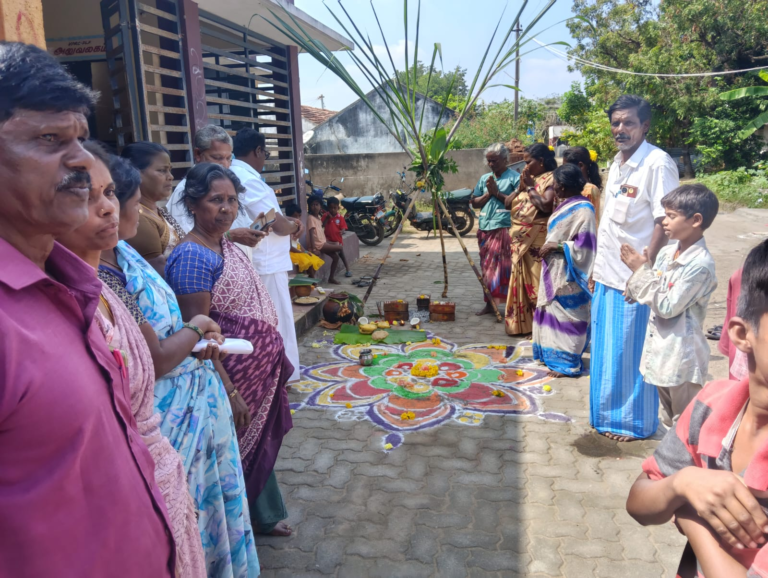
pongal 2026: A Harvest Celebration with IRDS
From 14–18 January, IRDS celebrated Pongal, the traditional harvest festival, together with communities across the region. In its target villages, the celebration brought together many young people and women, highlighting the importance of strengthening relationships with nature. The festival also served as an opportunity to emphasize the need to ensure a life of dignity and equality for all, while raising awareness about the growing challenges of climate change.
In the coming weeks, IRDS plans to organize a youth training program that will engage young people in land-related activities, particularly in the protection and promotion of lands and commons in their respective villages. The initiative also aims to support youth in exploring livelihood opportunities by making use of available local resources and applying their educational skills.
IRDS Hosts VIT University Students for Rural Camp
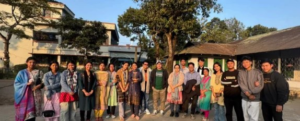
The Rural Camp for M.A. Social Work students from the Vellore Institute of Technology was successfully conducted in collaboration with IRDS. The group consisted of 28 students—11 women and 17 men—accompanied by three professors, including two women and one male faculty member. The participants arrived on 16 February and stayed until 21 February. During the camp, the students focused their activities in two villages, Veerasoshapuram and Puthur, where they engaged with school children and local communities through cultural programs and discussions. These activities highlighted important themes such as climate action—particularly the protection and promotion of lands and commons through the Mahatma Gandhi National Rural Employment Guarantee Act (MNREGA)—as well as gender equality at all levels. The School Development Committees, teachers, and Village Panchayat members in both villages extended strong support to the students throughout the program. As part of their environmental initiative, the students also planted traditional trees in local schools to promote a more eco-friendly and sustainable future for the villages.
Several members of the IRDS team accompanied the students during their activities. Each evening, the students and the IRDS team held reflection and discussion sessions to share experiences and insights from the day’s engagements.
Rights, Justice, Action: IRDS Marks International Women’s Day with Women from Villages
On 8 March, IRDS organized a celebration of International Women’s Day at its center in Villupuram. The event gathered 85 participants from 36 villages, along with IRDS team members. Among the participants were around 10 elderly women, while the rest were between 20 and 45 years old.
Guided by this year’s theme, “Rights, Justice, Action for All Women and Girls,” the participants engaged in meaningful discussions and arrived at several concrete decisions. Key issues highlighted included the need for equal wages for women across all sectors, securing land rights for women in villages, and creating local employment opportunities for women’s collectives. They also emphasized the importance of ensuring the
education of girl children by accessing schemes from the Labor Welfare Board and utilizing budget allocations for Dalits under the Scheduled Caste and Scheduled Tribes Sub Plan.
Participants also stressed the importance of protecting and promoting lands and commons through the Mahatma Gandhi National Rural Employment Guarantee Act (MNREGA), along with strengthening climate action initiatives involving children in their respective villages.
As the election code of conduct will be in force from
mid-March to the end of May, the participants decided to organize village-level consultations in the coming months to implement their decisions. They also agreed to carry out lobbying efforts with progressive and democratic political parties during the election campaign period to advocate for the demands and rights discussed during the gathering.
As a symbol of the beginning of their campaign toward a sustainable future for both people and nature in their villages, participants were given traditional tree saplings to plant in their communities.