Sri Lanka, an island called the ‘Pearl of the Indian Ocean’ is a land of natural beauty and famous for the hospitality of the people. Sri Lanka’s documented history goes back 3,000 years, with evidence of prehistoric human settlements dating back 125,000 years. After being colonized by the Portuguese, the Dutch and the British over 443 years, we celebrated 77th National Independence Day this year. Sri Lanka has long grappled with the intertwined challenges of peace and democracy.
The 2022 Economic Collapse and the Rise of Youth Activism
Emerging from a brutal 26-year civil war that ended in 2009, the country has since navigated a complex path toward reconciliation, institutional reform, and democratic consolidation. However, recent years – particularly following the economic collapse of 2022 have exposed deep structural vulnerabilities, political instability, and social fragmentation. Amid this turbulence, one demographic stands out as both the most affected and potentially the most transformative: the youth.
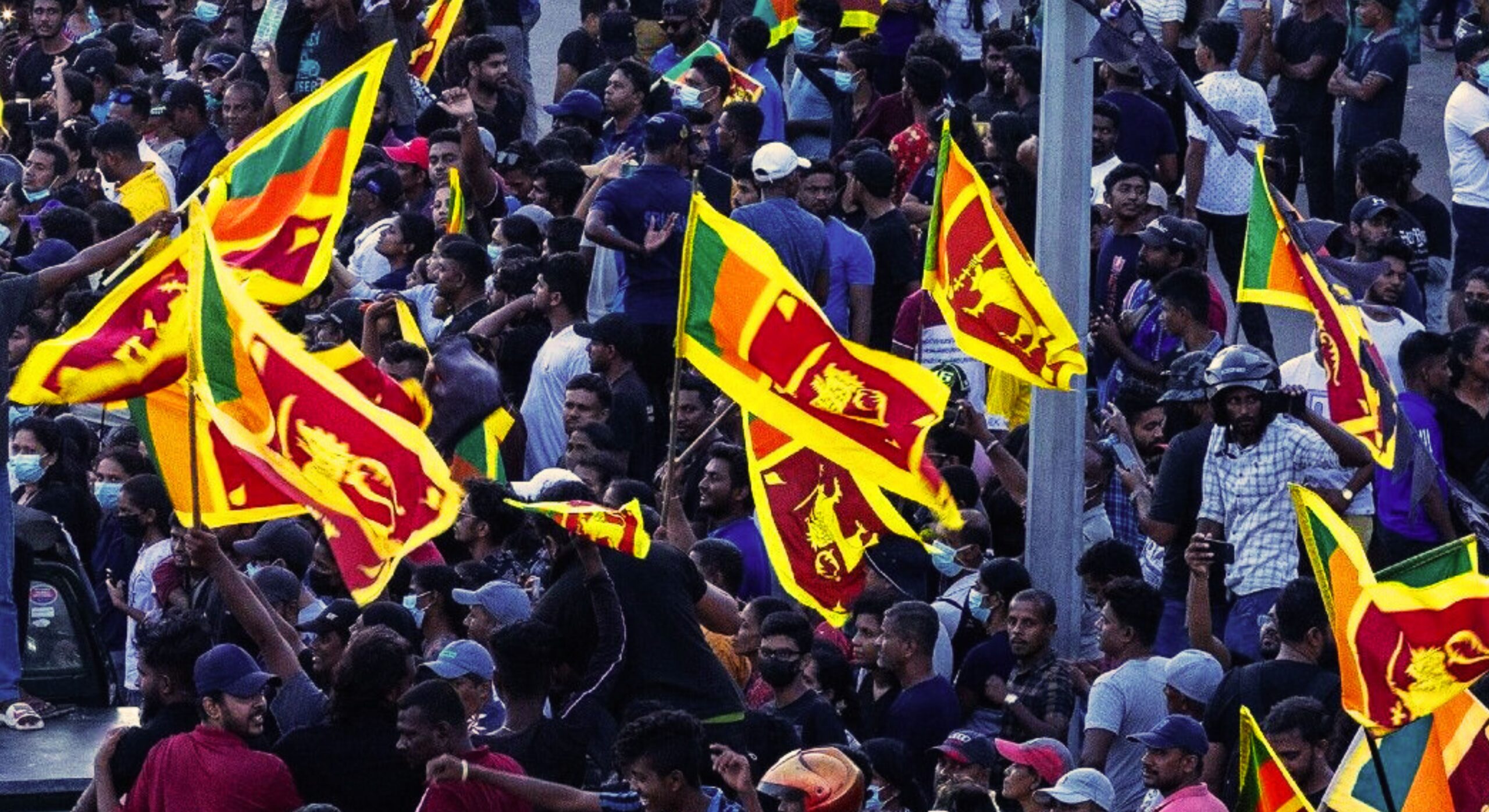
Until 2024, Sri Lanka’s democratic institutions remained fragile. While elections continue to be held regularly and civil liberties are largely intact compared to authoritarian regimes, governance is marred by corruption, nepotism, and weak accountability mechanisms. The 2022 Aragalaya (Struggle) movement; a mass uprising led predominantly by young people forced the resignation of President Gotabaya Rajapaksa and triggered a rare moment of cross-ethnic, cross-class solidarity. It was a watershed event demonstrating that Sri Lankan youth are no longer willing to tolerate misgovernance passively.
Yet, despite this powerful assertion of democratic will, systemic change remains elusive. The same political dynasties implicated in the economic crisis have reconsolidated power, albeit under new leadership. The 20th Amendment to the Constitution, passed in 2020, had significantly expanded presidential powers, weakening checks and balances. Although the 21st Amendment in 2022 sought to claw back some of those powers, implementation has been inconsistent. Public trust in state institutions from parliament to the judiciary remained low, especially among the youth.
As the people experienced the power of people after being divided into races, cheated with fake promises and hopes for many years, majority of them realized the deep rooted corrupted political agendas. They began to open up, ending the political blindness and only thinking about the prosperity of the people and country. The current government came to power at the end of 2024 as a result of people’s wish to change the corrupt political governance. Most of the people believe in people’s power and individually working for the change they hope for. The present Government is playing a big role in it and I hope the people won’t be betrayed.
Peace, too, continues to be an unfinished project. While open conflict has ceased, the root causes of the civil war, including ethnic marginalization, militarization of the North and East, land rights disputes, and lack of accountability for wartime atrocities remain inadequately addressed. Tamil and Muslim communities continue to report discrimination and surveillance. Reconciliation efforts are going on by the government and independent social workers.
The Youth: Catalysts for Transformation and the Path Forward
Sri Lanka’s youth who constitute nearly 25% of the population under the age of 30 find themselves at a crossroads. They are inheritors of a broken system but also its most dynamic challengers and potential rebuilders.
Youth engagement in Sri Lanka today takes many forms: protest movements, digital activism, community organizing, independent journalism, and grassroots peace building. Young activists leveraged social media during the Aragalaya protests to mobilize millions, circumvent state censorship, and articulate demands for good governance, constitutional reform, and social justice. Their slogans “Go Home Gota,” “We Want a System Change, Not a Regime Change” captured not just anger but a sophisticated understanding of structural failure.
Beyond street protests, youth-led campaigns such as #GoHomeGota2022, Stand Up Lanka, and the Hashtag Generation have evolved into sustained civic movements pushing for transparency, anti-corruption measures, and inclusive policymaking. University students, once politically active through party-affiliated unions, are increasingly forming non-partisan collectives focused on human rights, environmental sustainability, and inter-ethnic dialogue.
In post-war regions, the youth are quietly leading reconciliation efforts organizing mixed-community sports events, bilingual education initiatives, and trauma-healing workshops. These bottom-up efforts often achieve more than top-down state programs, which suffer from bureaucratic inertia and political tokenism. For example, youth groups in Jaffna and Batticaloa have created safe spaces for intergenerational dialogue about the war, challenging silence and stigma while fostering empathy across ethnic lines.
However, significant barriers remain. Political parties continue to co-opt or sideline youth voices, offering token representation without real decision-making power. Economic hardship with youth unemployment hovering around 25% forces many to prioritize survival over civic engagement. Brain drain is decelerating compared to previous years, skilled young professionals who were thinking of emigrating in search of stability and opportunity seem to hope and trust the current government. In the past those who stayed had to face repression: journalists and activists report increased surveillance, legal harassment under draconian laws like the Prevention of Terrorism Act (PTA), and online smear campaigns. But the current situation is more positive and people are experiencing freedom to express themselves.
To harness the energy and idealism of Sri Lankan youth, structural reforms are urgently needed. First, constitutional reform must ensure greater youth representation, perhaps through reserved parliamentary seats or mandatory youth councils at local government levels. Second, civic education should be revitalized in schools and universities to foster critical thinking and democratic values. Third, international donors and civil society must invest in youth-led peace building and entrepreneurship, not just as beneficiaries but as partners and leaders.
The future of peace and democracy in Sri Lanka cannot be secured without its youth. They are not merely the leaders of tomorrow, they are the change makers of today. Their resilience, creativity, and moral clarity offer the best hope for a Sri Lanka that is not only economically stable but also socially just, ethnically inclusive, and democratically vibrant. The question is not whether youth will shape Sri Lanka’s future – they already are. The real question is whether the older generation and entrenched power structures will make space for them, or resist until they are swept aside by the next wave of righteous discontent.
The time for tokenism is over. The era of youth-led transformation has begun. We will not let anyone divide us ever again. Unity is victory.*