CLAP Workshop on Combating Plastic Pollution
In July 2025, IMCS Asia Pacific and the International Youth Training Center (IYTC) held a four-part CLAP Workshop Series on “Combating Plastic Pollution.” Forty youth leaders from Asia-Pacific and Africa engaged in learning, reflection, and action on the environmental, ethical, and advocacy dimensions of plastic waste. With support from GAIA, Laudato Si’ Movement, and Green Army International, the series empowered participants to design faith-rooted, community projects for ecological justice.
Catholic Peace Forum (CPF) – “80 Years Is Enough”
On July 16, 2025, the global Catholic community launched the Pax Jubilee 2025 Declaration: “80 Years Is Enough – For a Peaceful Asia-Pacific Without Nuclear Weapons.” Organized by Pax Christi, Pax Romana, IMCS, IYCS, and IYTC, the forum united bishops, youth, and peace advocates from 20+ countries.
The gathering featured testimonies from Hiroshima and Korea, reflections on the Treaty on the Prohibition of Nuclear Weapons, and calls for disarmament, divestment, and youth leadership. The campaign continues with prayers, education, and advocacy toward a nuclear-free future.
Catholic Social Forum (CSF) – New York
On July 20, 2025, Catholic leaders, theologians, and civil society actors met at Manhattan University for the Catholic Social Forum (CSF) 2025. Held alongside the UN High-Level Political Forum, the event reflected on Catholic Social Teaching, the SDGs, and global governance.
Speakers from IMCS, IYTC, ICMICA, IYCS, and partners stressed accountability, ecological conversion, and stronger grassroots engagement in global policy. The forum committed to follow-up actions at COP30, the UN Social Summit, and WYD 2027, advancing a Catholic civil society agenda for peace, justice, and care for creation.
Rome Catholic Youth Forum (CYF)
On July 30, 2025, more than 70 Catholic youth leaders gathered in Rome and online for the Catholic Youth Forum 2025, a Jubilee side event co-hosted by IMCS, IYCS, and FUCI. Under the theme “Youth Engagement for a Synodal Church – Pilgrims of Hope,” the forum combined prayer, dialogue, and action.
Highlights included keynotes on Catholic Social Teaching, testimonies on youth leadership, and regional updates toward WYD 2027 in Seoul. The forum affirmed youth as bridge-builders, committed to the Pax Jubilee Campaign and a Church rooted in justice, peace, and inclusion.
Indigenous Peoples’ Month 2025
Throughout August, IMCS Asia Pacific’s Indigenous Peoples’ Youth Commission marked Indigenous Peoples’ Month with campaigns and programs amplifying youth voices on identity, knowledge, and struggles. Stories shared by Indigenous youth from Indonesia, Nepal, Malaysia, Bangladesh, Sri Lanka and India reminded the wider community of the urgent realities of land grabbing, discrimination, and cultural loss, while affirming the richness of ancestral wisdom, language, and harmony with nature.
World Indigenous Peoples Day: Youth Cultural Preservation Celebration
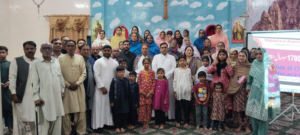
On August 9, IMCS joined partners ASW, AIPP, RTRC, and RAOEN for a vibrant cultural celebration highlighting the links between self-determination, food sovereignty, and cultural survival. Indigenous youth from across Asia shared their experiences of protecting food systems, land, and heritage through grassroots initiatives. Speakers from India, the Philippines, and Bangladesh emphasized the importance of cultural resilience amid climate change and land alienation, while cultural performances from Nepal and Indonesia showcased how identity and tradition remain alive when passed to the next generation.
International Talkshow – “World War III Simulation: Food, Land & the Right to Life”
To commemorate International Indigenous Peoples Day, POV Community, IYTC, and IMCS organized a global talkshow framing present-day conflicts as struggles over food and land sovereignty. Youth activists, Indigenous leaders, and peace advocates from Asia and Europe stressed that extractive projects, militarization, and climate breakdown are the real “wars” of our time. Voices from IPMSDL, YACAP, and Pax Christi International called for stronger transcontinental solidarity, protection of Indigenous lands and languages, and ethical approaches to technology. The session ended with a call to unite youth and communities across borders in defending life, culture, and justice.
National Transformative Leadership (NTL) Program – South Asia
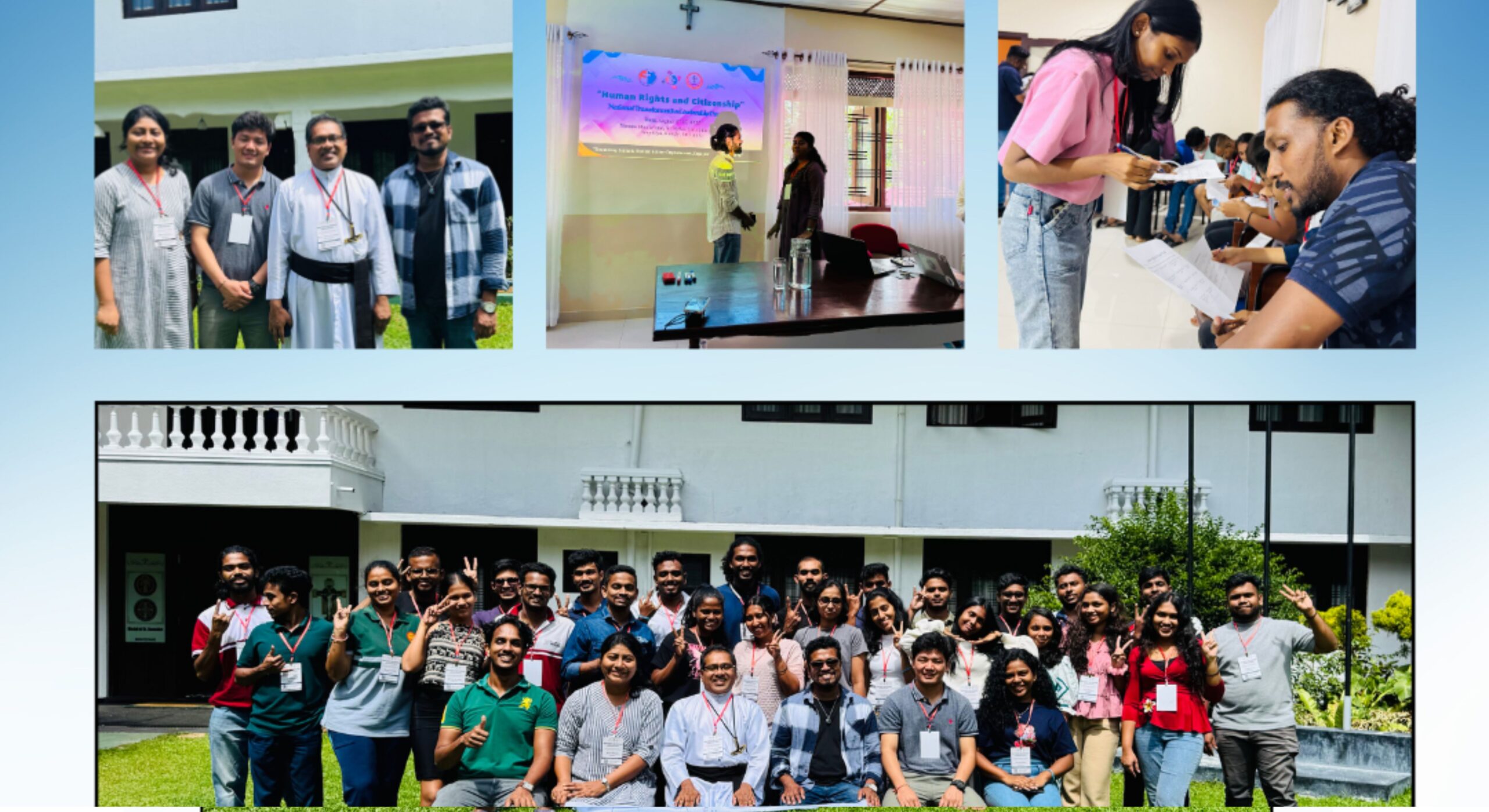
In August, IMCS Pax Romana carried out its National Transformative Leadership Program on Human Rights and Citizenship in Sri Lanka, Bangalore, and Dumka, India, gathering more than 100 student leaders. Rooted in Catholic Social Teaching and the Universal Declaration of Human Rights, the program combined reflection, cultural identity, and practical leadership tools. Sri Lanka’s program emphasized dialogue and community, Bangalore prioritized applied skills through workshops and project design, while Dumka integrated Indigenous cultural identity with citizenship and faith. Across the three gatherings, participants committed to carry forward their learnings through local initiatives that connect justice, culture, and public witness.
CLAP Workshop Series – Indegenous Peoples’ Rights and the World
The August CLAP Workshop Series brought together youth from Asia and Africa to reflect on Indigenous Peoples’ struggles, wisdom, and resilience. The opening keynote by Beverly Longid (AIPP/IPMSDL) reminded participants that Indigenous identity is inseparable from land, culture, and spirituality. A later session with Fr. Jojo Fung, SJ (ASW) offered a dialogue between Catholic Social Teaching and Indigenous spirituality, underscoring creation as sacred and shared. Participants engaged in cross-regional exchanges, comparing experiences from Asia and Africa, and concluded by presenting action commitments—community projects, advocacy campaigns, and solidarity initiatives to continue the journey beyond the workshop.
UNRBHR Forum – Bangkok 2025
On 16 September 2025, IYTC, IMCS Asia Pacific, North South Initiative (NSI), Access Now, and Article 19 Asia co-organized the session “Who Programs Whom? Advancing Business & Human Rights in Crisis-Affected and Marginalized Communities” at the UN Responsible Business and Human Rights Forum (Asia-Pacific) in Bangkok.
The session explored how AI and digital systems impact Indigenous Peoples, displaced persons, and marginalized groups, stressing the need for ethical governance, independent oversight, and culturally relevant remedies. It affirmed that youth, Indigenous, interfaith, and grassroots voices must be central to shaping rights-based digital futures.
International Day of Peace 2025
On 21 September, IMCS Pax Romana and partners in the Pax Jubilee Campaign 2025–2030 joined global voices marking the International Day of Peace. The call emphasized that peace is not just the absence of war, but justice, dignity, and the courage to dismantle violence.
Amid protests, repression, and attacks on human rights defenders, youth and faith communities continue to plant seeds of reconciliation and dialogue. Through the Pax Jubilee Campaign, IMCS and partners reaffirm their commitment to nonviolence and a nuclear-free future.*