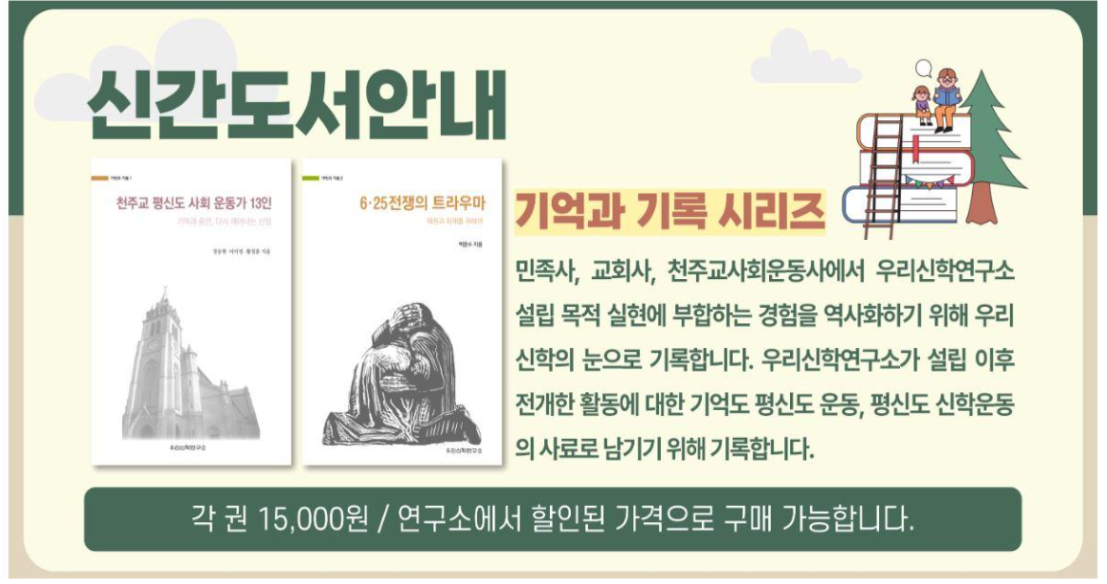
The Woori Theology Institute (WTI) continues to serve as a vital platform for theological reflection, social engagement, and inclusive dialogue within the Church. In June 2025, WTI published two significant volumes as part of its Memory and Record Series, reaffirming its commitment to preserving historical memory and promoting critical discourse.
The first book, 13 Catholic Lay Social Activists, highlights the powerful stories of lay Catholics who dedicated their lives to the pursuit of justice, peace, and the common good. The second volume, The Trauma of the Korean War (6.25), offers an in-depth exploration of the lasting emotional and social wounds caused by the 1950 war, providing theological insight into a national tragedy. Both books are available through selected bookstores for 15,000 KRW each.
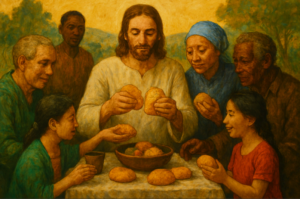
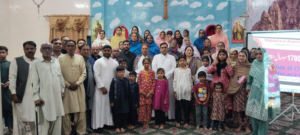
As part of its academic and ecclesial engagement, WTI is also organizing a special webinar series titled “Toward the Third Vatican Council and a Synodal Church”, commemorating the 60th anniversary of the closing of the Second Vatican Council. Taking place from March to November 2025, the online series gathers theologians, clergy, laypeople, and youth from across the globe to reflect on the legacy of Vatican II and envision a Church that is more synodal, participatory, and inclusive. Through ongoing dialogue and theological exploration, the series aims to strengthen the Church’s commitment to synodality as a guiding principle for its future.
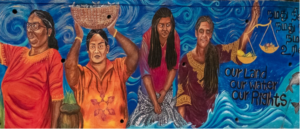
In addition, WTI is offering a six-session course entitled “Introduction to Catholic Feminist Theology”, scheduled from June 24 to July 22, 2025, every Tuesday in a hybrid format (both online and in-person). This course invites participants to critically examine the relationship between Church, women, and theology, encouraging reflection on gender, power, and faith within the Catholic tradition. Through lectures, discussions, and group reflection, the program seeks to foster a deeper understanding of feminist theological perspectives and their relevance in today’s Church.
Through these initiatives, WTI reaffirms its role as a leading institution in shaping a theology that is rooted in memory, open to diversity, and committed to transformation.